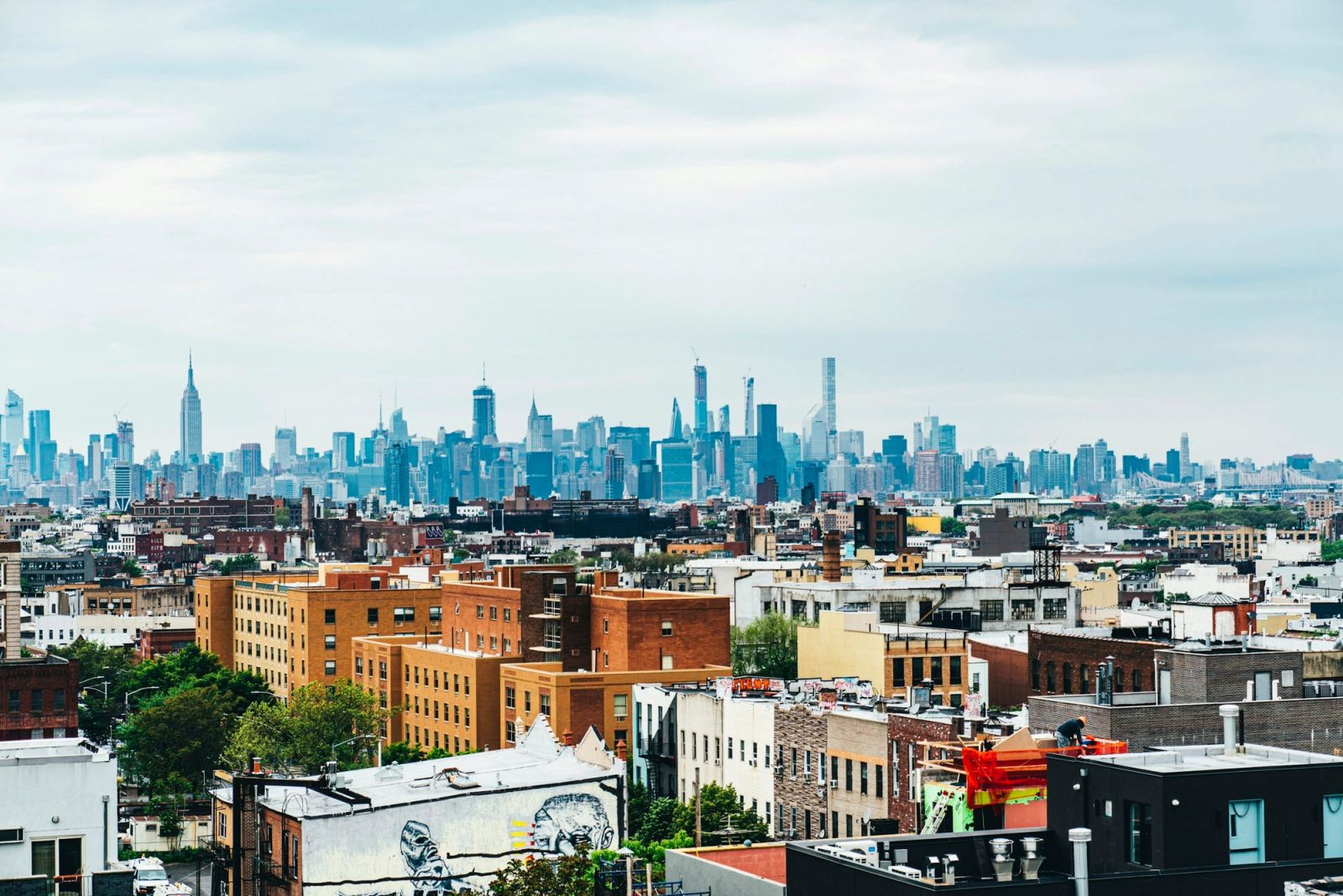
A church in Brooklyn, New York, has torn down its own building to make room for 67 units of affordable housing. Faith Forward Community Church now meets in the lower levels of the new apartment building on the corner of Eastern Parkway and Atlantic Avenue in the Ocean Hill neighborhood. Pastor Vivian Grubb says the idea came from the congregation, not from a developer.
What happened
The church began meeting in the building in the spring. The 10-story structure now holds the church on its lower floors and apartments above. The congregation, first called True Holy Church, opened in 1952. It bought an old sandpaper factory on the site in 1993. Renovation costs were high, so the members could not move in until 2005.
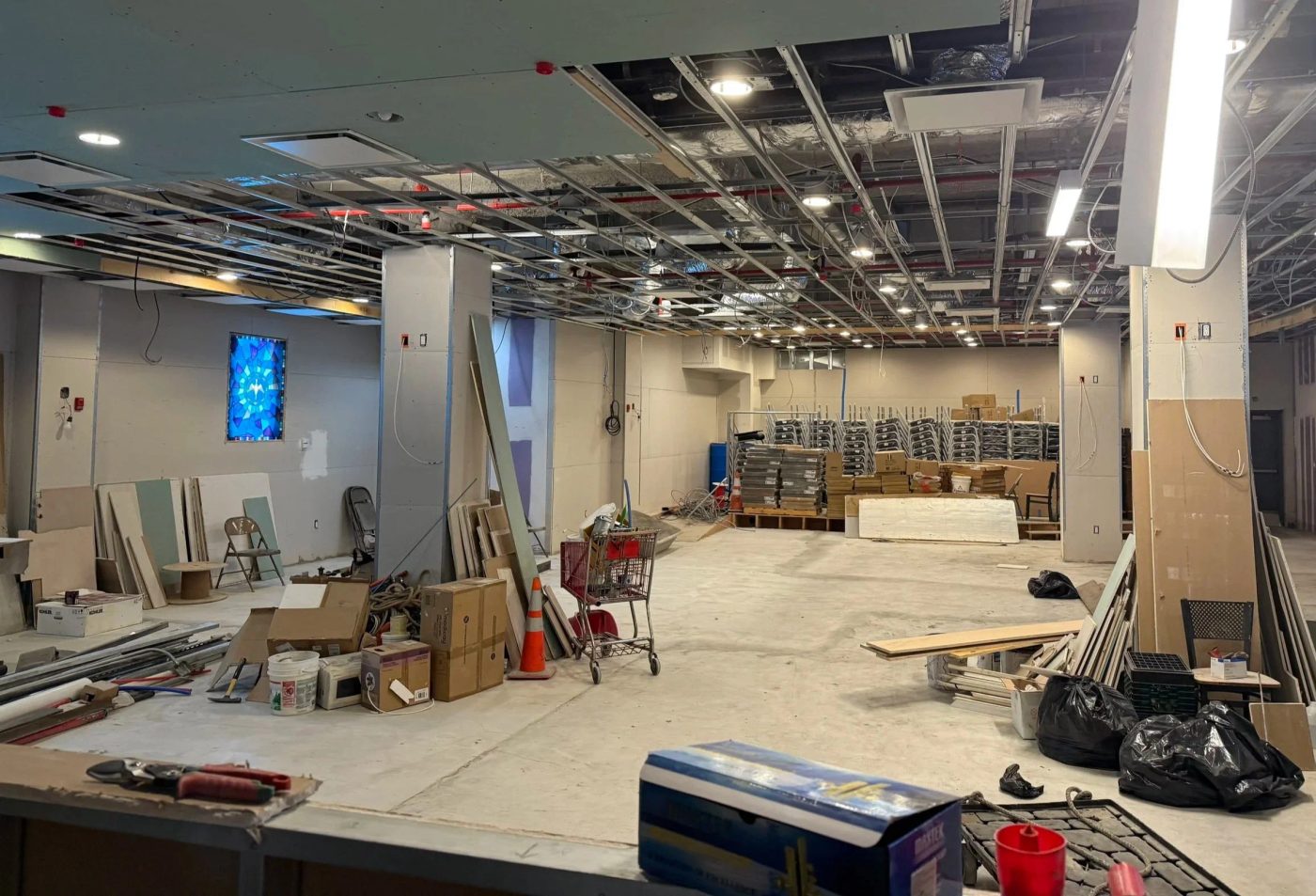
The congregation met in the factory for just over a decade. Then it tore the building down. Grubb said the church asked a simple question: what does the community need? He said the answer was housing.
Grubb, who became pastor in 2006, grew up in the church. He worked on Wall Street for 13 years before entering ministry. He still teaches at City Seminary.
Context
The church has long served its neighbors. In the 1980s, it drove people from detox centers to church services and fed them. In 1988 it began packing grocery bags. Today its food pantry serves about 300 families each weekend, up from about 40 people a week at the start. Grubb says people from many income levels now come for food.
In 2016 the church also began hosting homeless men as an overflow shelter. Six beds were open two nights a week. According to the Coalition for the Homeless, about 96,000 people sleep in New York City shelters each night, and about 30,000 of them are children. The city's housing survey reports a net loss of more than 600,000 units with rents of $1,500 or less between 1991 and 2023. Grubb's church says the average Brooklyn rent has reached about $4,000 per month.
What to watch
The church's new home is now open, and its members are settling into the lower floors of the building. Grubb has said the church wants to keep serving the neighborhood through its food pantry and its housing project. Other churches in New York may watch how the project develops.